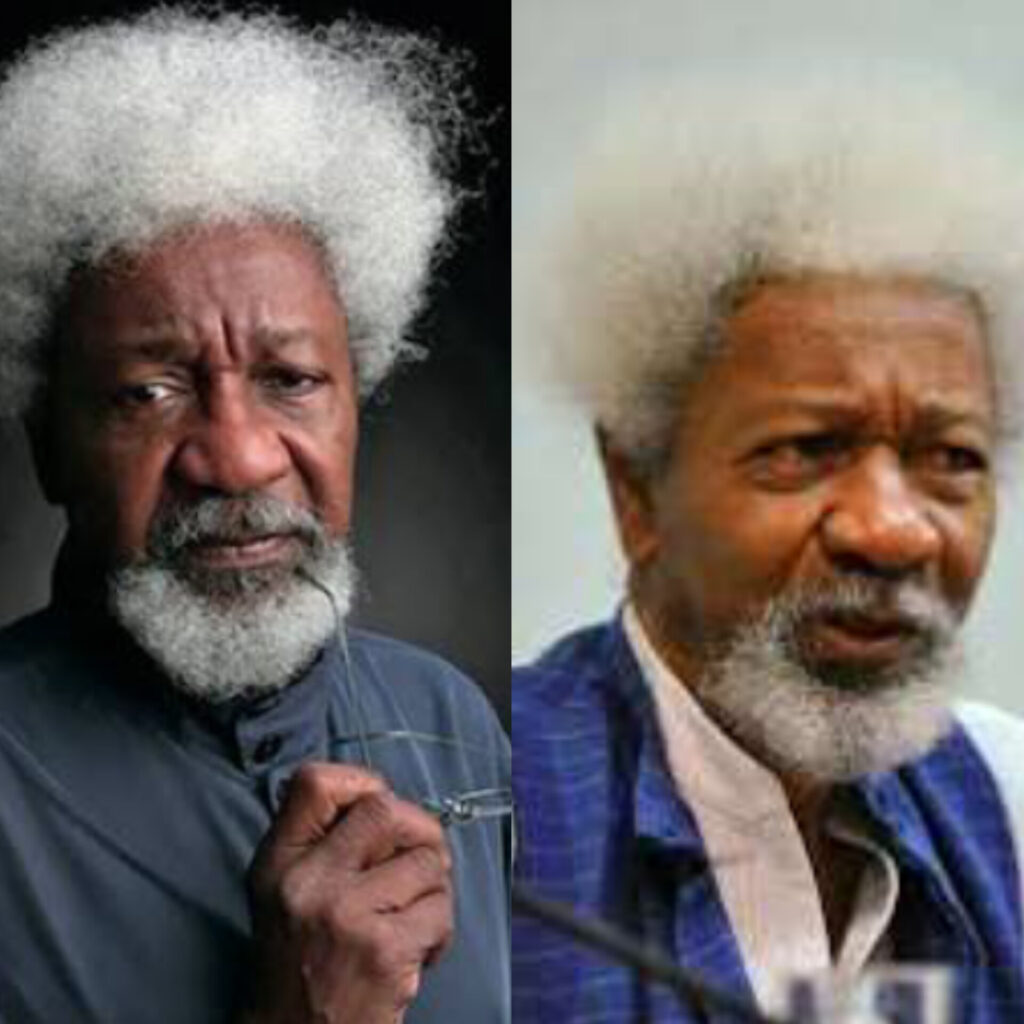

Wole Soyinka’s biography is one of Nigeria’s most distinguished literati — a playwright, poet, author, essayist, educator and political activist whose work spans over six decades. Born in 1934 in Abeokuta, Nigeria, Soyinka’s upbringing in a culturally rich Yoruba environment and his education abroad shaped a voice deeply rooted in African tradition yet unafraid to challenge authority and injustice. His story matters because it exemplifies how literature and activism can coexist, how personal experience fuels creative power, and how an African voice rose to global prominence, culminating with the Nobel Prize in Literature in 1986. In this biography, we trace his early life, education, career and major works, personal and family life, and his net worth and legacy.
See also: Jackie Robinson Biography: Early Life, Career, Family Legacy
Highlights of Wole Soyinka Biography
- Full Name: Akinwande Oluwole Babatunde Soyinka
- Date of Birth: July 13, 1934 (Age 91 as of 2025)
- Nationality: Nigerian
- Profession: Playwright, novelist, poet, essayist, professor
- Education: St. Peter’s Primary School; Abeokuta Grammar School; Government College, Ibadan; University College Ibadan; University of Leeds (B.A. English Literature)
- Wives/Marriages: Barbara Dixon (m. 1958), Olaide Idowu (m. 1963), Folake Doherty (m. 1989)
- Children: Several (including Olaokun Soyinka, Moremi Soyinka-Onijala)
- Major Achievements: First African to win the Nobel Prize in Literature (1986), foundational plays like A Dance of the Forests, major academic and activist roles.
- Estimated Net Worth: Varies by source—published estimates range from approx. US $1.5 million to US $20 million, but no confirmed figure.
Early Life
Wole Soyinka was born on July 13, 1934, in the Aké quarter of Abeokuta in Ogun State, Nigeria. His father, Samuel Ayodele Soyinka, served as an Anglican minister and headmaster. His mother, Grace Eniola Soyinka (née Jenkins-Harrison), was a shopkeeper and community activist. He was raised in a Christian mission compound but also immersed in the culture, myths and traditions of the Yoruba people.
From a young age he demonstrated intellectual curiosity and a sharp mind, prompting elders in his family to warn one another: “He will kill you with his questions.” He attended St. Peter’s Primary School, followed by Abeokuta Grammar School and then Government College Ibadan, where his literary talent began to emerge. The blend of Christian schooling and Yoruba cultural heritage would later infuse his literary work with both formal discipline and imaginative depth.
Education
After his secondary schooling, Soyinka proceeded to University College Ibadan, where he studied English literature, Greek and Western history. In 1954, he moved to England to study at the University of Leeds, where he earned his B.A. in English Literature in 1958. While at Leeds, he served as editor of the university magazine “The Eagle” and developed his satirical voice. The combination of Nigerian and British education gave him a vantage point to critique colonial legacy, post-colonial governance and cultural identity, while mastering Western literary forms.
Career / Professional Journey
Soyinka’s literary career began in the late 1950s with radio plays and early theatrical works. One of his earliest important stage plays was A Dance of the Forests (1960), produced for Nigeria’s independence celebrations. Over the 1960s and 70s, his plays such as The Lion and the Jewel, Kongi’s Harvest, Death and the King’s Horseman, and many others established him as a major dramatist.
Beyond theatre, he wrote novels, poetry collections and essays exploring themes of power, identity, tradition and modernity. His political activism — including imprisonment during the Nigerian civil war — added urgency to his voice. In 1986, he became the first African to win the Nobel Prize for Literature, citing his body of work across drama, essays and poetic literature.
Throughout his later career, Soyinka taught at various universities, engaged in public debate, and remained a prominent voice in Nigerian and African cultural life. His work continues to influence playwrights, poets and thinkers globally.
Net Worth and Lifestyle
Estimating the net worth of Wole Soyinka is complicated because much of his value lies in intellectual property, public service, and cultural capital rather than commercial empire. Various sources provide very different figures: some suggest around US $1.5 million, others up to US $20 million. Regardless of exact figures, it’s clear his wealth is modest compared to major corporate figures, and his lifestyle has remained oriented toward scholarship, activism and public service rather than lavish consumption. His literary output, speaking engagements and academic roles contribute to his income, but the majority of his legacy is non-monetary.
Personal Life
Soyinka has been married three times: to Barbara Dixon (1958), Olaide Idowu (1963), and Folake Doherty (since 1989). He has children from his marriages, including sons and daughters who have pursued careers in medicine, the arts and public life. His extended family includes the Ransome-Kuti family—prominent in Nigerian activism and culture—making Soyinka’s familial roots deeply embedded in Nigeria’s socio-political fabric.
He has faced health challenges: in 2014 he revealed a prostate cancer diagnosis which he said was treated successfully. He remains active in public discourse, writing, lecturing and commenting on Nigerian and global affairs.
Wole Soyinka’s life is a testament to the power of literature, culture and conscience. From a curious child in Abeokuta to a globally recognised Nobel laureate, his journey underscores how individual voice can resonate across continents and eras. His plays, essays and novels challenge power, celebrate tradition and reflect the complexity of African identity. His legacy is not just in awards or net worth but in a body of work that continues to speak truth to authority and enrich our understanding of humanity. Soyinka exemplifies that art and activism can merge, and that the pen remains mightier than the sword.
FAQs About Wole Soyinka
How old is Wole Soyinka?
He was born on July 13, 1934, making him 91 years old in 2025.
What is Wole Soyinka’s educational background?
He attended St. Peter’s Primary School, Abeokuta Grammar School, Government College Ibadan, University College Ibadan, and the University of Leeds (where he earned a BA in English Literature in 1958).
Is Wole Soyinka married?
Yes. He has been married three times — to Barbara Dixon in 1958, Olaide Idowu in 1963, and Folake Doherty since 1989.
What are Wole Soyinka’s most famous works or achievements?
His seminal works include plays like A Dance of the Forests and Death and the King’s Horseman. His most notable achievement was becoming the first African recipient of the Nobel Prize in Literature in 1986.
What is Wole Soyinka’s net worth?
Estimates vary widely — some put his net worth at around US $1.5 million, others around US $20 million, reflecting his literary career and speaking engagements rather than large-scale commercial holdings.
What is Wole Soyinka’s nationality?
He is Nigerian, born in Abeokuta, Ogun State, Nigeria.
How did Wole Soyinka become famous?
He gained international recognition through his pioneering plays, essays and activism, and was awarded the Nobel Prize for Literature in 1986, which solidified his status as a global literary figure.