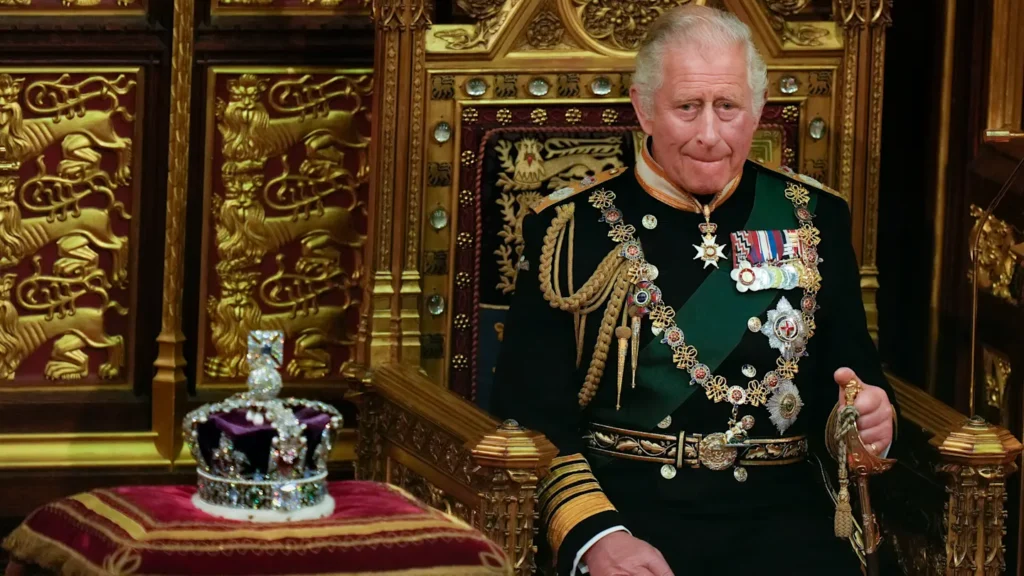

King Charles III is one of the most recognized public figures in the world and a central figure in the modern British royal family. Born into royalty, shaped by duty, and long prepared for kingship, he became monarch on September 8, 2022, after the death of his mother, Queen Elizabeth II. His reign matters not only to the United Kingdom but also to the Commonwealth and global audiences who follow the British monarchy closely.
For decades, Charles was known as the Prince of Wales, the longest-serving heir apparent in British history. Over those years, he built a public identity around service, charity, environmental advocacy, heritage conservation, and youth development. That long apprenticeship has made his story different from many other monarchs: he did not simply inherit a crown; he spent most of his life preparing for it.
Early Life and Background
Also see: https://novaline.com.ng/donald-trump-biography
https://www.royal.uk/clarencehouse/70-facts-about-hrh-prince-wales
King Charles III was born Charles Philip Arthur George at Buckingham Palace in London on November 14, 1948. He is the eldest child of Queen Elizabeth II and Prince Philip, Duke of Edinburgh. He became heir apparent as a very young child when his mother acceded to the throne in 1952.
Unlike some earlier heirs to the throne, Charles did not receive all of his education privately within palace walls. He attended Cheam School and later Gordonstoun in Scotland, following a more formal school path than many royal predecessors. He then entered Trinity College, Cambridge, in 1967 and graduated in 1971, becoming the first heir to the British crown to earn a university degree. He also studied Welsh for a term at the University College of Wales, Aberystwyth, ahead of his investiture as Prince of Wales in 1969.
His early life combined privilege with pressure. From childhood, Charles lived under intense public scrutiny. At the same time, he was expected to embody continuity for the monarchy while developing his own voice. Those years helped shape the interests that later defined him, especially architecture, sustainability, rural life, interfaith dialogue, and charitable work.
King Charles III Education
Education is an important part of the King Charles III biography because it signaled a more modern path for the royal family. His studies at Cambridge marked a break with tradition and helped present him as an heir engaged with the wider world. His period learning Welsh was also politically and culturally significant, since it prepared him for his public role in Wales as Prince of Wales.
Royal Journey Before Becoming King
Charles spent more than six decades as heir to the throne. He was formally invested as Prince of Wales on July 1, 1969, and over time became the longest-serving holder of that title in modern history. As Prince of Wales, his constitutional role was to support the sovereign, represent the Crown, and carry out engagements at home and abroad.
Yet his pre-king years were not defined by ceremonial duty alone. He built a substantial public profile through philanthropy and advocacy. In 1976, he founded The Prince’s Trust, now known as The King’s Trust, to support young people with training, work experience, and business opportunities. The charity says it has helped more than 1.3 million young people since its founding.
Charles also became known for speaking on environmental issues far earlier than many mainstream political or public figures. The Royal Family’s official website notes that he warned about the dangers of plastic pollution as early as February 1970, long before environmental protection became a dominant global issue. Over the decades, he consistently linked climate, conservation, agriculture, and sustainable development.
Another major part of his public work has been The King’s Foundation, first formed in 1990. The charity reflects his long-standing philosophy of “harmony” between people, places, and nature, and it has focused on practical education, sustainable communities, and traditional skills.
Becoming King
The transition from Prince Charles to King Charles III came with historic immediacy. Under British constitutional practice, a new sovereign succeeds automatically upon the death of the previous monarch. Charles therefore became King on September 8, 2022, the day Queen Elizabeth II died.
His coronation took place later, on May 6, 2023, at Westminster Abbey. The ceremony blended ancient ritual with a more contemporary tone, reflecting both tradition and the pressures of a changing monarchy. The coronation was also notable because it included the crowning of a Queen Consort for the first time since 1937.
Charles’ accession also reshaped the senior royal structure. In his first address after becoming king, he announced that his elder son, Prince William, would become Prince of Wales. That move symbolized both continuity and generational change inside the British royal family.
Personal Life
A complete King Charles III biography must include his personal relationships, which have played a major role in shaping public opinion about him.
Charles married Lady Diana Spencer on July 29, 1981, at St Paul’s Cathedral in London. Diana later became one of the most famous women in the world. During their marriage, they had two sons: Prince William, born in 1982, and Prince Harry, born in 1984.
The marriage eventually broke down, and Charles and Diana divorced in 1996. Diana died in Paris on August 31, 1997, a tragedy that deeply affected the royal family and transformed how many people viewed Charles and the monarchy.
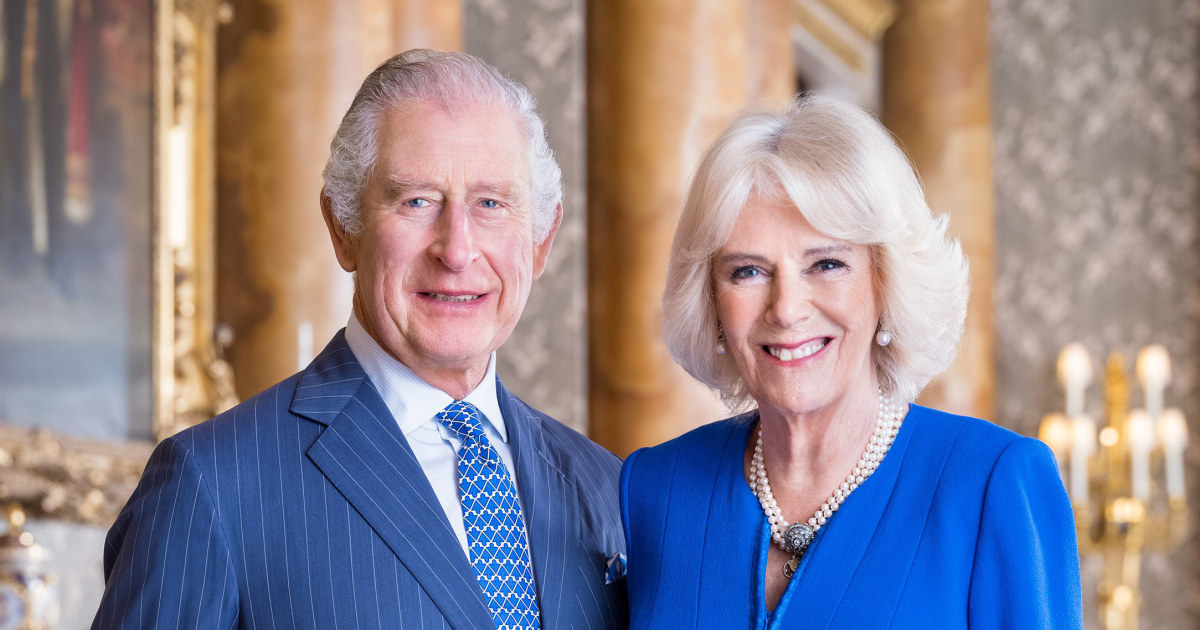
On April 9, 2005, Charles married Camilla Parker Bowles in a civil ceremony in Windsor, followed by a service of prayer and dedication at St George’s Chapel. After Charles became king, Camilla became Queen Camilla.
King Charles III Family
King Charles III’s immediate family includes:
-
Parents: Queen Elizabeth II and Prince Philip, Duke of Edinburgh
-
First wife: Diana, Princess of Wales
-
Current wife: Queen Camilla
-
Children: Prince William and Prince Harry
Career, Interests, and Advocacy
Although monarchs do not have “careers” in the ordinary sense, Charles built a very active public working life long before he wore the crown. His two best-known areas of advocacy are youth opportunity and sustainability.
Through The King’s Trust, he championed disadvantaged young people and entrepreneurship. Through The King’s Foundation, he pushed ideas around sustainable design, community building, craftsmanship, and environmental balance. These projects helped distinguish him from a purely ceremonial royal figure.
He has also long taken interest in architecture, farming, heritage, and interfaith understanding. Supporters see him as a forward-thinking reformer who spoke about ecological issues before they became fashionable. Critics, however, have sometimes argued that he crossed the line from public service into political commentary. That tension has followed him from princehood into kingship.
King Charles III Net Worth and Lifestyle
Questions about King Charles III net worth are common, but estimates vary because royal finances are complex. Wealth tied to the Crown, state institutions, private estates, and inherited personal assets should not all be treated as personal spending money. Forbes reported in 2023 that Charles inherited at least $500 million in personal assets from Queen Elizabeth II and oversees vast royal-linked holdings that are institutionally distinct from his personal wealth. Meanwhile, later press estimates citing the Sunday Times Rich List have placed his personal fortune in the hundreds of millions of pounds.
A careful way to write this for readers is to say that King Charles III is widely estimated to be worth hundreds of millions of pounds personally, while also being associated with royal estates, residences, art, and ceremonial assets that are not all personally owned in a private-commercial sense.
His lifestyle reflects royal tradition but also personal taste. He has long been associated with country life, gardening, environmental stewardship, and architectural preservation rather than flashy displays of luxury.
Controversies and Public Image
Charles’ public image has changed dramatically over time. In earlier decades, he was often portrayed as serious, reserved, and overshadowed by both his mother and Princess Diana. His marriage troubles, leaked private conversations, and media coverage in the 1990s damaged his popularity. Diana’s global fame and tragic death intensified that scrutiny.
However, over the longer term, his reputation benefited from consistency. Many of the causes he championed for years, especially sustainability and youth support, later became more widely respected. By the time he became king, a large part of the public had come to see him less as a controversial prince and more as an experienced, duty-bound figure stepping into a role he had prepared for all his life. This is an informed interpretation based on the longevity of his official charitable and environmental work.
Legacy and Impact
The long-term legacy of King Charles III is still being written, but several themes are already clear. First, he represents continuity after the seventy-year reign of Queen Elizabeth II. Second, he brings to the throne a more openly defined set of interests than many monarchs before him, especially around nature, urban planning, and social cohesion. Third, his reign is unfolding during a period when the monarchy faces intense scrutiny over relevance, cost, tradition, and public trust.
His impact on modern society may ultimately rest on whether he can balance three things: constitutional restraint, personal conviction, and institutional modernization. That is the central challenge of his reign and the reason his story matters well beyond Britain. This conclusion is an inference drawn from the constitutional role of the monarch and Charles’ unusually long public record before accession.
Timeline of Major Life Events
-
November 14, 1948: Born at Buckingham Palace, London.
-
1952: Became heir apparent when Elizabeth II became queen.
-
July 1, 1969: Invested as Prince of Wales.
-
1971: Graduated from Trinity College, Cambridge.
-
1976: Founded The Prince’s Trust, now The King’s Trust.
-
July 29, 1981: Married Lady Diana Spencer.
-
June 21, 1982: Prince William was born.
-
September 15, 1984: Prince Harry was born.
-
1996: Divorced Diana, Princess of Wales.
-
April 9, 2005: Married Camilla Parker Bowles.
-
September 8, 2022: Became King Charles III.
-
May 6, 2023: Crowned at Westminster Abbey.
FAQ: King Charles III Biography
How old is King Charles III?
King Charles III was born on November 14, 1948. As of March 20, 2026, he is 77 years old.
Who are King Charles III’s children?
He has two sons: Prince William and Prince Harry.
What is King Charles III best known for?
Before becoming king, he was best known as Prince of Wales, founder of The King’s Trust, and a long-time advocate for environmental sustainability.
When did King Charles III become king?
He became king on September 8, 2022, immediately after the death of Queen Elizabeth II.
What is King Charles III net worth?
Reliable estimates vary, but major reports place his personal wealth in the hundreds of millions of pounds, separate from many institutional royal assets.
Conclusion
This King Charles III biography shows a life shaped by inheritance, pressure, reinvention, and public service. From his early years as the son of Queen Elizabeth II to his long tenure as Prince of Wales and eventual accession to the throne, Charles has remained one of the defining figures of the British royal family.
Whether readers admire him for his charitable work, study him as a constitutional monarch, or follow him as a symbol of British history and global influence, his story remains one of the most important royal biographies of the modern era