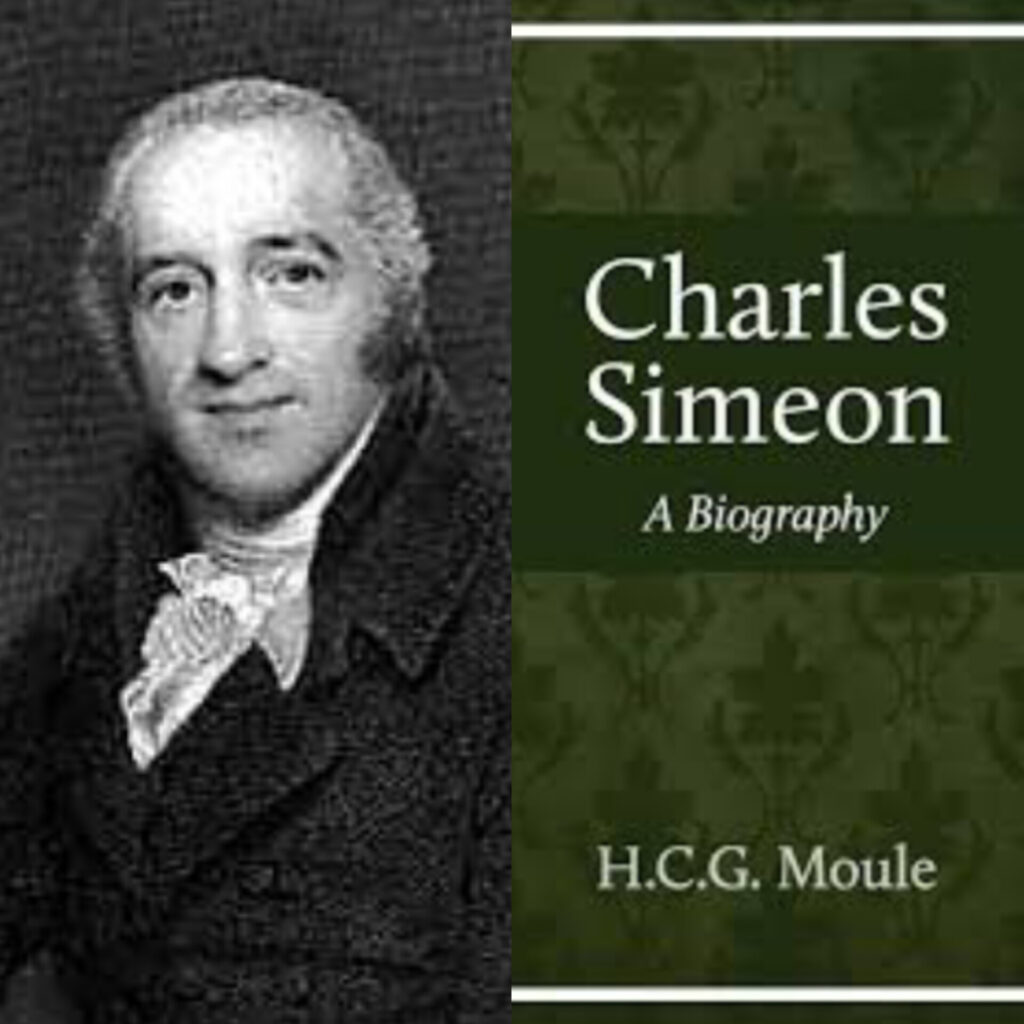

Charles Simeon was a prominent English Anglican clergyman and evangelical leader of the late 18th and early 19th centuries. Serving as the vicar of Holy Trinity Church in Cambridge for over five decades, he significantly influenced the evangelical movement within the Church of England, helped establish the Church Missionary Society (CMS), and published a landmark 21-volume set of sermon outlines. His life matters because it exemplifies dedicated pastoral ministry, reforming vision, and the long-term impact of one man’s faithful labours.
See also: Alessandro De Rosa Biography: Net Worth, Age, Education, Family, Career & Early Life
Highlights of Charles Simeon Biography
- Full Name: Charles Simeon
- Date of Birth: September 24, 1759
- Date of Death: November 13, 1836 (Age 77)
- Nationality: English
- Profession: Anglican cleric, preacher, biblical commentator, evangelical leader
- Education: Eton College; King’s College, Cambridge (Scholarship)
- Marital Status: Never married; had no children
- Major Achievements: Vicar of Holy Trinity Church, Cambridge (1783-1836); Co-founder of the Church Missionary Society (1797); Author of Horae Homileticae (21 volumes of sermon outlines)
- Estimated Net Worth: No reliable records; standard clerical income of his time, no remarkable wealth accumulation recorded
Early Life
Charles Simeon was born on September 24, 1759, in Reading, Berkshire, England. He was the fourth and youngest son of Richard Simeon and his wife Elizabeth (née Hutton). His family was comfortably well-off: his father was a successful lawyer, and his elder brothers went into law and finance. Despite the family’s social standing, Charles grew up with little spiritual fervour, and his early life included interests in sports, dress and social standing.
At age 8 he went to Eton College, where he began his classical schooling. He was awarded a King’s College scholarship to attend King’s College, Cambridge, and entered there in January 1779. While at Cambridge, he faced a personal spiritual crisis: he was unsettled by the requirement to attend the communion at Eton and later at Cambridge. In Easter of his undergraduate years he accepted the idea of Christ’s atonement and experienced a conversion of faith. This change marked the beginning of a new and purposeful life.
Education
After his early schooling at Eton, Simeon matriculated at King’s College, Cambridge, as a scholar. He was elected Fellow of King’s College in 1782. During his time in Cambridge he attended services, studied theology, and developed his evangelical convictions. He was ordained deacon and then priest in 1782–83. Cambridge formed the centre of his intellectual and ministerial development: he recognized the need for rigorous preaching, pastoral care and spiritual formation — themes that would characterize his ministry.
Career / Professional Journey
In May 1783 Simeon was appointed vicar (literally the perpetual curate) of Holy Trinity Church, Cambridge. Although he assumed the role with gratitude, he faced immediate opposition from parishioners who resisted his evangelical style of worship and teaching. For more than a decade he experienced locked doors, obstructed pews and vocal opposition. Yet Simeon persevered, preaching week after week, conducting visitation of parishioners, and strengthening his congregation.
Over the years, his ministry expanded in influence beyond Cambridge. He began giving sermon-technique classes, mentoring young men from Cambridge who sought ordination. He held weekly tea-gatherings in his rooms at King’s College for students and aspiring ministers. His bold yet pastoral approach led to transformational influence: by some estimates, one-third of all Anglican ministers of his day had received some training from him.
In 1797 Simeon was among the founders of the Church Missionary Society (CMS), which sought to send Anglican missionaries around the world. He also supported organisations such as the British & Foreign Bible Society and other evangelical societies focused on Bible distribution and overseas missions.
Simeon’s major written work was Horae Homileticae, a massive collection of sermon outlines and commentaries on the entire Bible, published in 21 volumes between 1819 and 1828. These volumes provided practical material for pastors and preachers — a stencil of his heart for teaching and equipping clergy.
He remained at Holy Trinity until his death in 1836, preaching and teaching with remarkable consistency for over fifty years. His ministry had a lasting impact on evangelicalism within the Church of England and on the wider Protestant world.
Net Worth and Lifestyle
There is no reliable information indicating that Charles Simeon amassed substantial wealth. As a clergyman in the late 18th and early 19th centuries, his income would have derived from his living at Holy Trinity, King’s College allowances, and modest investments. He remained unmarried and lived simply, devoting his income and resources to ministry, pastoral care, and supporting evangelical causes. His lifestyle was characterized by devotion, discipline and service rather than material accumulation.
Personal Life
Charles Simeon remained unmarried throughout his life and had no children. His singular focus was ministry, pastoral care, preaching and mentoring younger clergy. He engaged deeply in the life of his parish, university and the broader evangelical movement. Known for his strong devotional habits — rising early for prayer and Bible study — Simeon exemplified pastoral integrity and spiritual discipline. His use of his rooms at King’s for mentoring speaks to his personal commitment to formation and discipleship rather than public fame.
He died on November 13, 1836, at Cambridge, at the age of 77. His funeral drew great crowds from the university and town, reflecting the breadth of his influence.
Conclusion
Charles Simeon’s life stands as a testimony to the power of persistent faithful ministry, pastoral discipline, and evangelical transformation. From his early years as a scholar at Cambridge to decades of service as vicar of Holy Trinity, he shaped the evangelical identity of the Church of England and influenced generations of ministers and missionaries. His legacy lives not only in his sermons and writings but in the lives of those he mentored and in the institutions he helped build. Simeon reminds us that sustained service, spiritual depth and fidelity to one’s calling can leave an enduring mark on both church and culture.
FAQs About Charles Simeon
How old was Charles Simeon when he died?
He died on November 13, 1836, at the age of 77.
What was Charles Simeon’s educational background?
He studied at Eton College and then at King’s College, Cambridge, where he became a Fellow and trained in theology and ministry.
Was Charles Simeon married?
No — Charles Simeon remained unmarried and had no children.
What are some of Charles Simeon’s most famous works or achievements?
He is best known for founding the Church Missionary Society, preaching at Holy Trinity Cambridge for over fifty years, and authoring Horae Homileticae, a monumental set of sermon outlines for pastors.
What is Charles Simeon’s nationality?
He was English, born in Reading, Berkshire, and spent much of his life in Cambridge.
What is his net worth?
There is no documented estimate of his net worth. He lived modestly as a clergyman, dedicating his life and resources to ministry.
How did Charles Simeon become influential?
Through his faithful long-term ministry, his mentoring of young clergy, his published sermon outlines, and his participation in founding major missionary and evangelical societies, Simeon’s influence spread across the Church of England and into global missions.