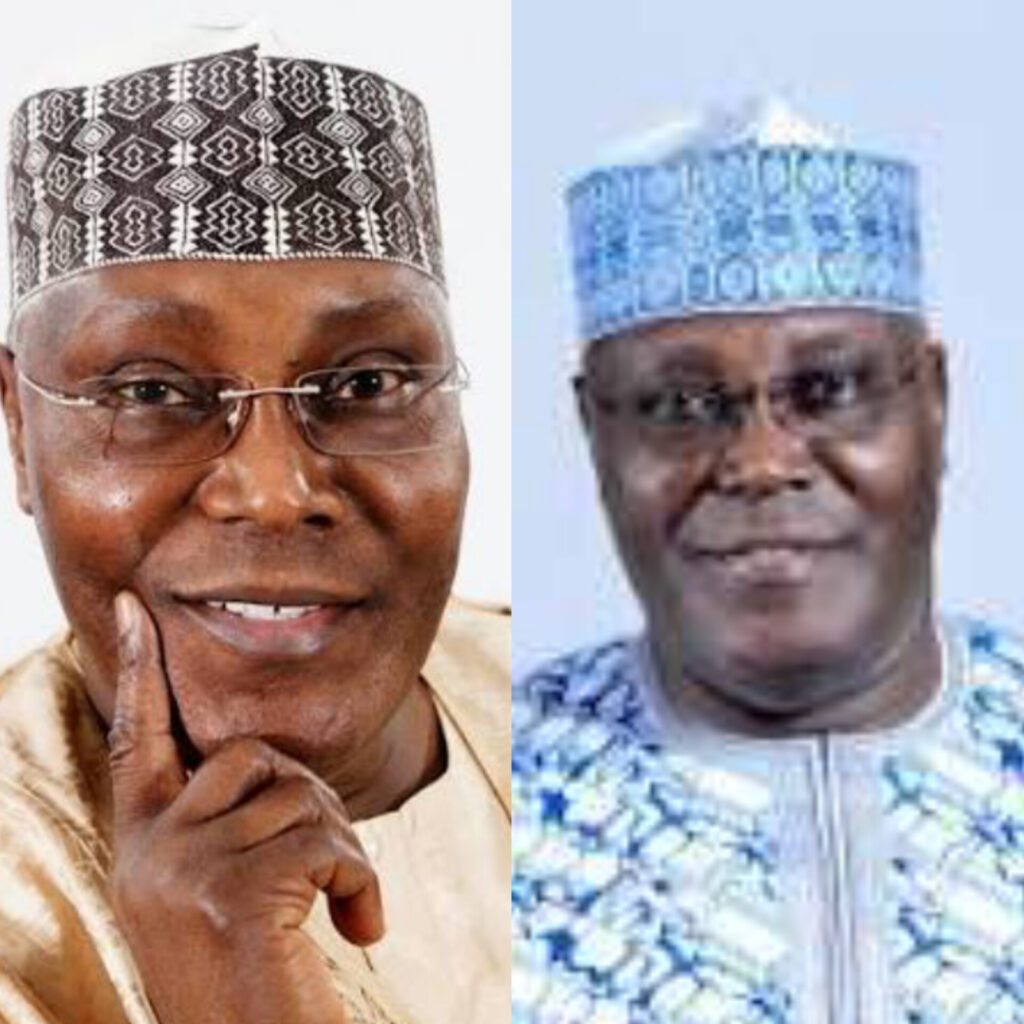

Atiku Abubakar biography explores his early life, education, political career, family, wives, business empire, net worth, and his impact on Nigerian politics and democracy.
Atiku Abubakar is one of Nigeria’s most prominent political figures, businessmen, and former public servants, widely known for his long-standing influence in the country’s democratic journey. As a former Vice President of Nigeria and a multiple-time presidential candidate, Atiku has remained a central figure in national political discourse for decades.
Beyond politics, Atiku Abubakar is also recognized as a successful entrepreneur with vast investments across various sectors of the Nigerian economy. His story reflects ambition, resilience, controversy, and unwavering belief in democratic governance. From humble beginnings in northern Nigeria to becoming one of the most recognizable names in African politics, Atiku’s life offers lessons in perseverance and public service.
Often described as outspoken and reform-minded, Atiku once stated, “Freedom and democracy are not optional; they are the foundation of progress.” This biography takes a comprehensive look at Atiku Abubakar’s early life, education, family, political career, net worth, and personal life, providing an in-depth understanding of the man behind the influence.
See also: Tony Elumelu Biography: Net Worth, Age, Wife, Education, Family, Career & Early Life
Highlights of Atiku Abubakar Biography
- Full Name: Atiku Abubakar
- Date of Birth: November 25, 1946
- Age: 78 years old (as of 2025)
- Place of Birth: Jada, Adamawa State, Nigeria
- Nationality: Nigerian
- Profession: Politician, Businessman
- Estimated Net Worth: $1.5 billion – $2 billion (USD)
Early Life
Atiku Abubakar was born on November 25, 1946, in Jada, a town in present-day Adamawa State, Nigeria. He was born into a modest Fulani family during the colonial era, a period marked by limited access to education and economic opportunities in northern Nigeria.
His father was a local farmer and trader, while his mother was a homemaker. Initially, his father opposed Western education, fearing it would distance his son from traditional values. However, Atiku’s determination eventually led him to enroll in school, marking the beginning of a journey that would reshape his family’s history.
Growing up, Atiku experienced financial hardship and instability, including periods of displacement. These early struggles taught him resilience, independence, and ambition. His upbringing in a rural environment exposed him to the realities of inequality and governance challenges, influencing his later political ideology centered on economic empowerment and restructuring.
Education
Atiku Abubakar began his formal education at Jada Primary School before proceeding to Adamawa Provincial Secondary School in Yola. His academic excellence earned him a place at the School of Hygiene in Kano, where he initially trained as a sanitation inspector.
He later attended the Ahmadu Bello University (ABU), Zaria, where he obtained a Diploma in Law. His time at ABU significantly broadened his understanding of governance, public administration, and constitutional principles.
Although he did not pursue a traditional university degree at an early stage, Atiku’s education laid a solid foundation for his future career in public service and business. Over the years, he has also participated in several executive and leadership programs, enhancing his knowledge of economics, governance, and global politics.
Career and Political Journey
Early Career in Public Service
Atiku Abubakar began his professional career in the Nigeria Customs Service, where he served for nearly two decades. Rising through the ranks, he gained extensive experience in administration, border control, and revenue generation.
His service in customs exposed him to Nigeria’s economic structure and the challenges of governance, further fueling his interest in politics. He retired voluntarily to pursue business and political ambitions.
Entry into Politics
Atiku formally entered politics in the late 1980s. He was instrumental in Nigeria’s transition from military rule to democracy. In 1999, he emerged as the Vice President of Nigeria, serving two consecutive terms under President Olusegun Obasanjo from 1999 to 2007.
As Vice President, Atiku played a key role in:
- Economic reforms
- Privatization policies
- Investment promotion
- Strengthening democratic institutions
He chaired the National Council on Privatization, advocating for private-sector participation as a driver of economic growth.
Presidential Ambitions
After leaving office, Atiku Abubakar contested multiple presidential elections under different political platforms. He positioned himself as a reformist candidate, advocating for:
- True federalism
- Economic liberalization
- Job creation
- Educational reform
Although he faced electoral defeats, his persistence solidified his reputation as one of Nigeria’s most enduring political figures.
Business Career and Investments
Outside politics, Atiku Abubakar is a successful entrepreneur with interests in:
- Education
- Agriculture
- Logistics
- Real estate
- Manufacturing
He founded American University of Nigeria (AUN), one of the country’s leading private universities, designed to provide world-class education based on international standards.
Atiku’s business philosophy emphasizes private-sector-led development and youth empowerment. His investments have created thousands of jobs and contributed significantly to regional economic growth.
Net Worth and Lifestyle
Atiku Abubakar’s estimated net worth ranges between $1.5 billion and $2 billion USD, making him one of Nigeria’s wealthiest politicians. His wealth is derived from:
- Business ventures
- Real estate holdings
- Educational institutions
- Investments in logistics and agriculture
Despite his wealth, Atiku is known for maintaining a relatively traditional lifestyle rooted in cultural values. He balances business, politics, and philanthropy, often reinvesting in community development initiatives.
Family and Personal Life
Atiku Abubakar is a family-oriented man with a large household. He is married to multiple wives, in accordance with Islamic tradition, and has many children and grandchildren.
His wives have largely maintained private lives, while some of his children have ventured into business, politics, and professional careers. Atiku frequently emphasizes the importance of family unity, discipline, and education.
Despite the demands of his political career, he remains closely connected to his family and cultural heritage.
Conclusion
Atiku Abubakar’s biography is a compelling narrative of ambition, service, and resilience. From a modest upbringing in Adamawa State to serving as Nigeria’s Vice President and becoming a major political force, his journey reflects the complexities of leadership in a developing democracy.
Through politics, business, and education, Atiku has consistently advocated for reform, economic opportunity, and democratic values. Whether admired or criticized, his influence on Nigeria’s political landscape is undeniable.
Atiku Abubakar remains a symbol of endurance in Nigerian politics and a voice for economic liberalization and national unity.
FAQs About Atiku Abubakar
What is Atiku Abubakar’s net worth?
Atiku Abubakar’s net worth is estimated between $1.5 billion and $2 billion USD.
How old is Atiku Abubakar?
He is 78 years old as of 2025.
How many wives does Atiku Abubakar have?
Atiku Abubakar practices polygamy and has multiple wives.
What position did Atiku Abubakar hold in government?
He served as Vice President of Nigeria from 1999 to 2007.
What is Atiku Abubakar’s educational background?
He studied at Ahmadu Bello University and holds a diploma in law.
Is Atiku Abubakar still active in politics?
Yes, Atiku remains active in Nigerian politics and public discourse.
What is Atiku Abubakar known for?
He is known for his political career, business empire, and advocacy for democratic and economic reforms.